Coltrane at 100: One Night at the Barbican
John Coltrane was born on 23 September 1926. The Barbican marks the centenary with one evening in the Hall, and it is worth planning a night around.
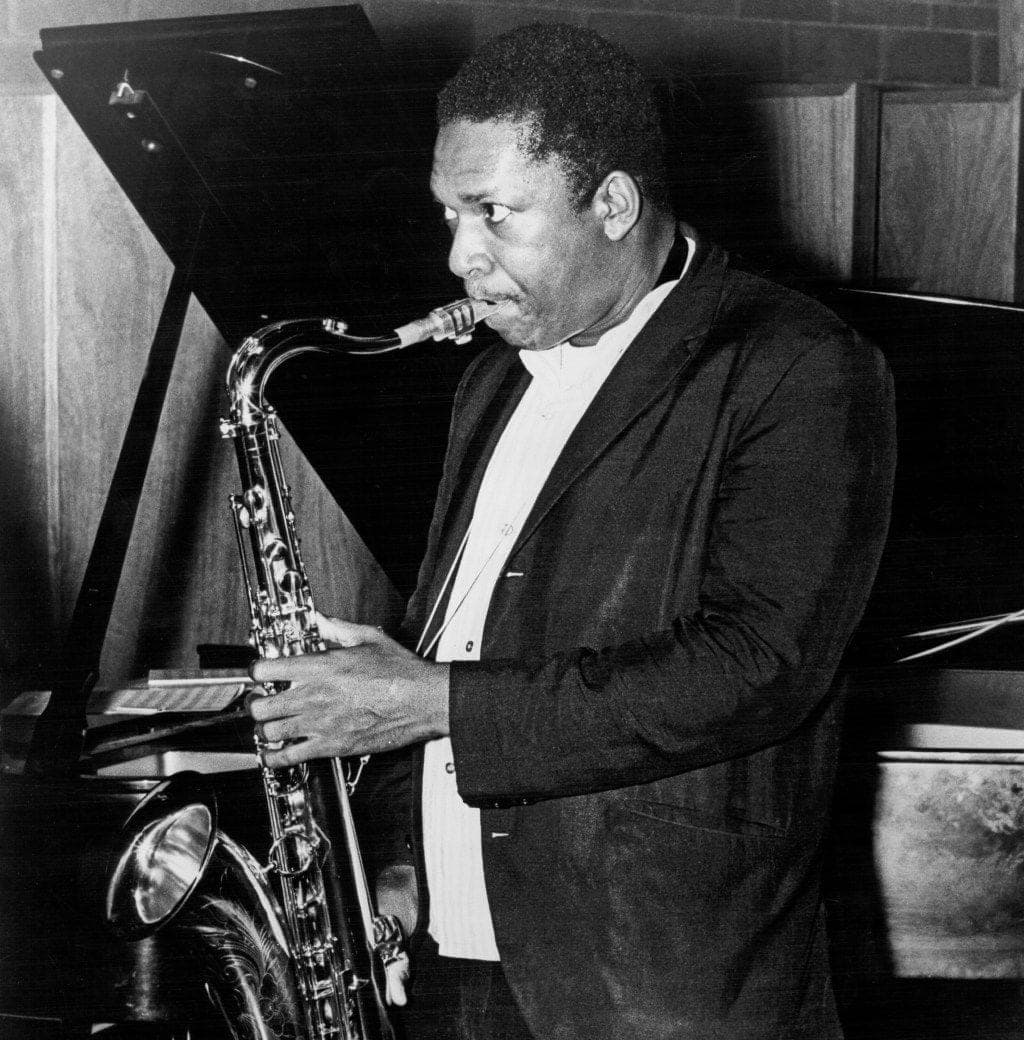
A centenary concert can easily become a museum piece. The better ones treat the music as something still being worked out, which is how Coltrane played it.
He was born in Hamlet, North Carolina, moved to Philadelphia after school and made his professional debut in 1945. Through the 1950s he played with Miles Davis and Thelonious Monk, and by the end of the decade he was recording as a leader. In the eight years that followed he helped take jazz from hard bop to modal playing and on to free jazz, and died in July 1967, aged 40.
That speed is the difficulty for anyone programming a tribute. There is no single Coltrane to celebrate, and an evening that tries to cover everything ends up covering nothing.
Coltrane and London
Coltrane came to Britain only once as a leader, in November 1961, on a short tour with Eric Dolphy, McCoy Tyner, Reggie Workman and Elvin Jones. British audiences used to the polished modern jazz of the day were divided, and some of the reviews were hostile. The recordings that survive from that European tour are now among the most valued documents of the group.
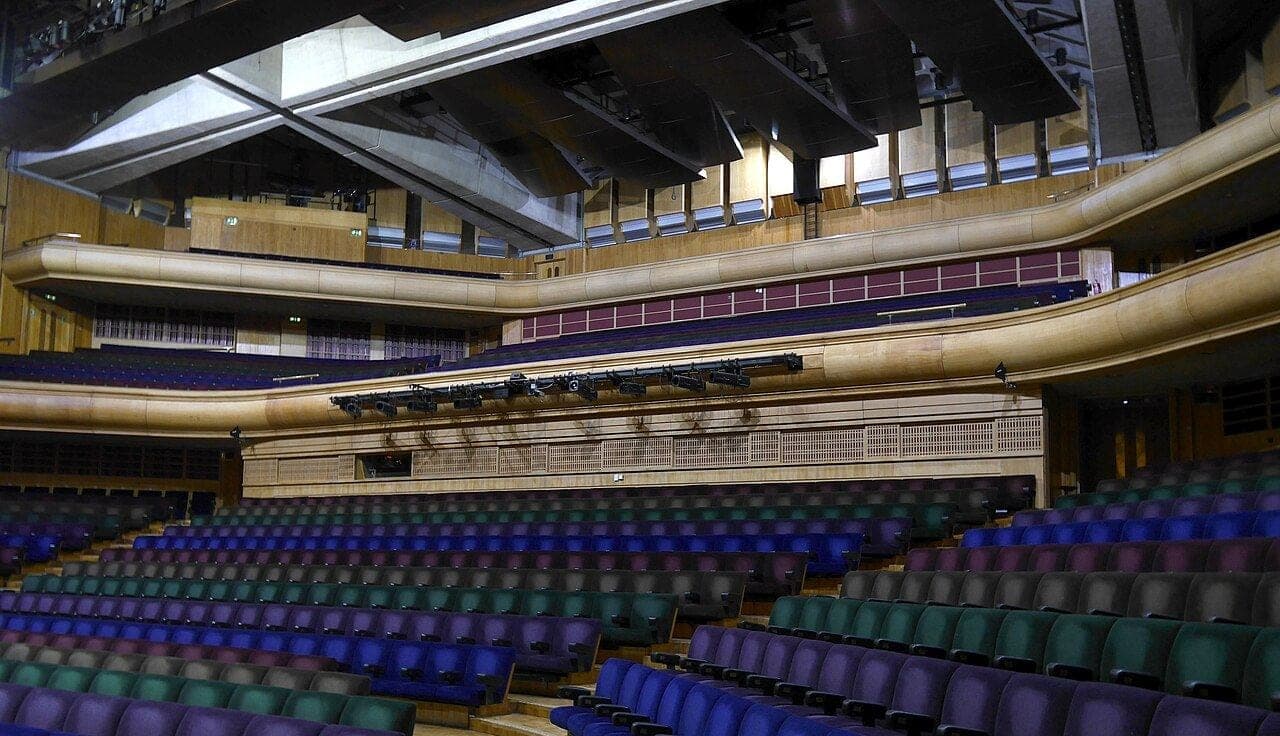
Sixty-five years later, the centenary is being marked in a hall that did not exist when he died. The Barbican Centre opened in 1982 and the Hall has been home to the London Symphony Orchestra ever since. Its warm wooden acoustic suits a quartet better than people expect.
Why A Love Supreme
The first half is given over to A Love Supreme, the four-part suite Coltrane recorded with McCoy Tyner, Jimmy Garrison and Elvin Jones in a single session on 9 December 1964. It is his best-known album and one of the few jazz records that most people in the Hall will know from start to finish.
It is also a hard piece to play live. The suite moves from the four-note bass figure of Acknowledgement to the wordless recitation of Psalm, where the saxophone plays the lines of Coltrane's own poem. A band has to hold that shape without simply copying the record.
The second half is looser, with standards and ballads from earlier in his career. It is a sensible order: the difficult music first, while everyone is listening hardest.
Listening before you go
If you have an evening to prepare, listen in order. It is the quickest way to hear how far he travelled in a decade.
- Blue Train (1957): hard bop, recorded for Blue Note with a sextet.
- Giant Steps (1960): the title track's chord changes are still a test for every young saxophonist.
- My Favorite Things (1961): a Broadway tune turned into a long modal piece on soprano saxophone.
- Ballads (1963): the quartet at its quietest, and a good introduction for anyone who thinks Coltrane is hard work.
- A Love Supreme (1965): the suite you will hear in the first half.
Making a night of it
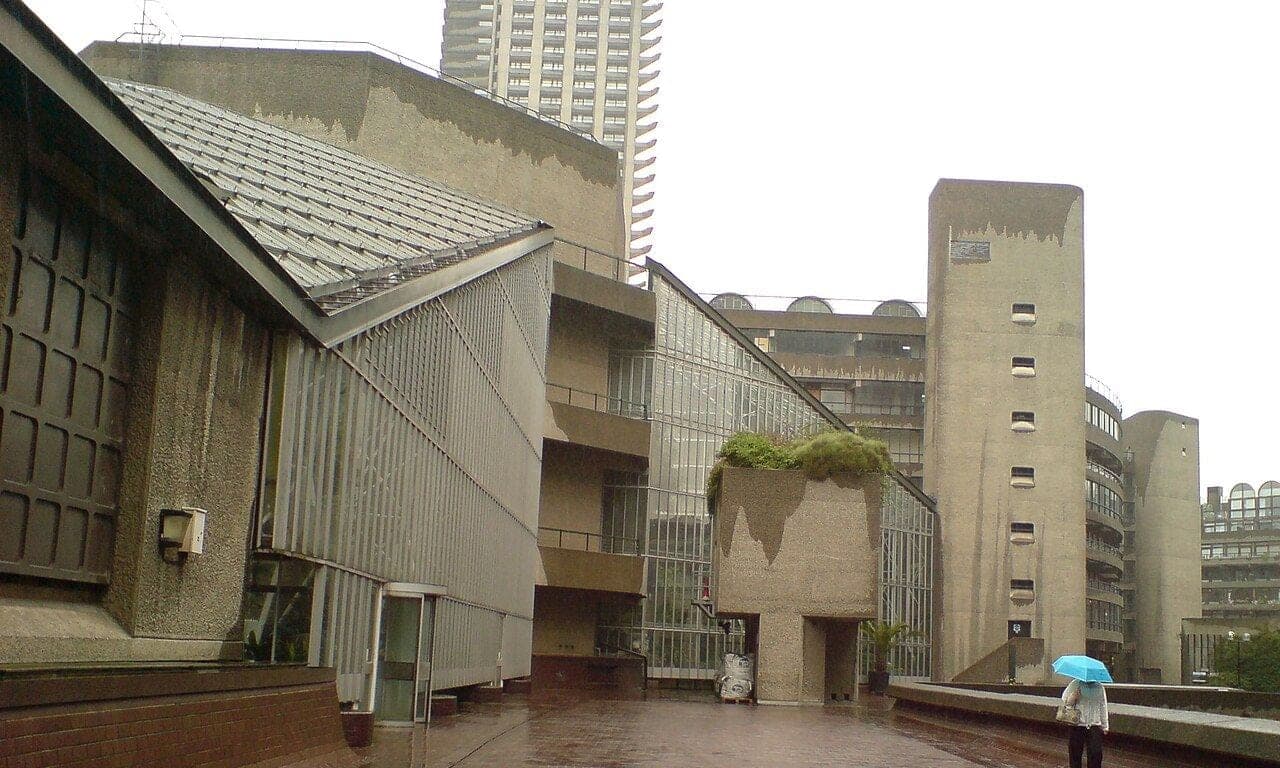
The Barbican is at its best after dark, when the lakeside terrace is quiet and the concrete takes on the colour of the lamps. Arrive early enough to walk round it before the doors open, and allow time to find your entrance: the Hall has doors on several levels.
Afterwards, Smithfield and Clerkenwell are a short walk west for a late drink, and the Elizabeth line at Farringdon will take you most of the way home.
Where to sit
For a small group, the front half of the stalls and the first rows of the circle give the clearest sound. The side seats are cheaper and perfectly good, but the bass can sound a little distant.
There is no single Coltrane to celebrate, and an evening that tries to cover everything ends up covering nothing.